
Before & After Focus Areas
The descriptions below outline the kinds of tasks typically addressed during a deep clean, illustrated with representative images. Actual scope depends on the condition, layout, and size of each space.
Kitchens
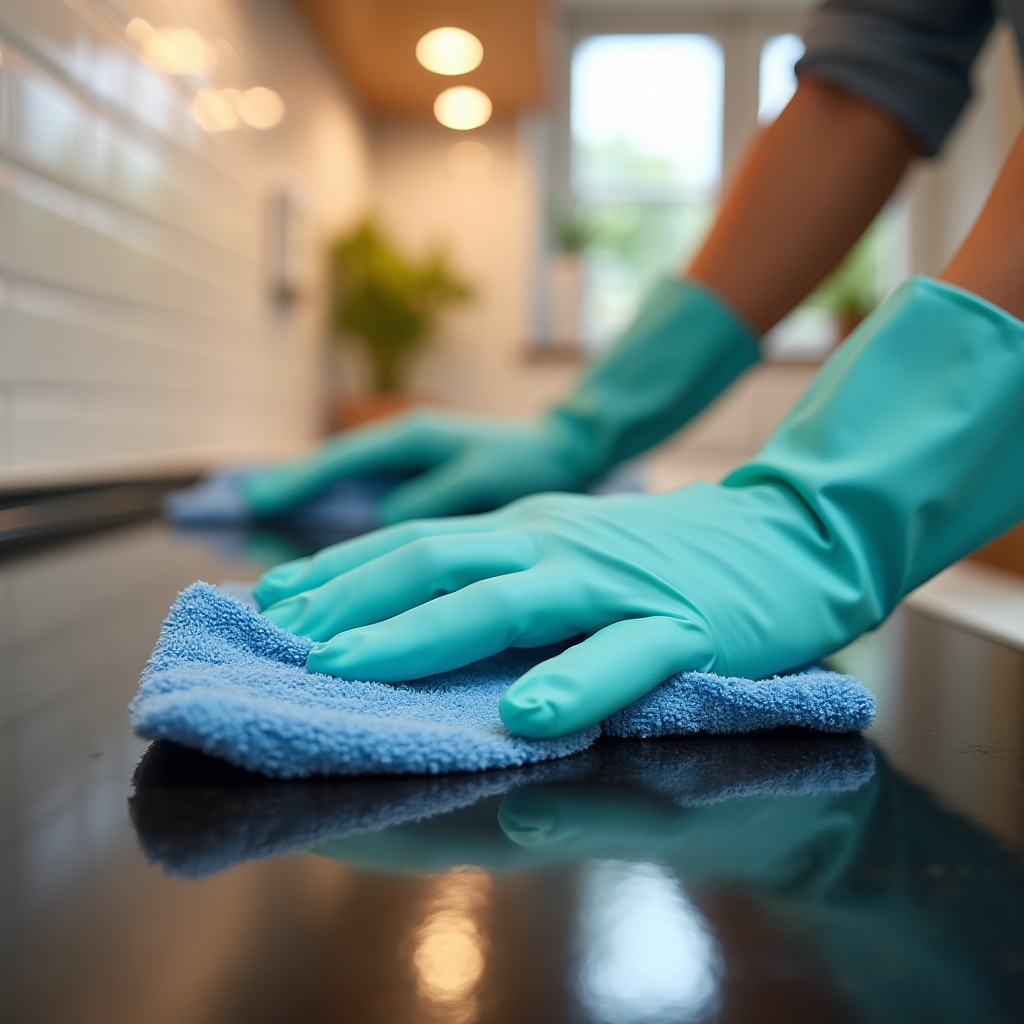
Kitchens accumulate grease and residue in ways that aren't always visible day to day, particularly around stovetops, range hoods, and cabinet fronts near the cooking area. A deep clean addresses these buildup areas directly, along with the interior of the microwave, backsplash grout lines, and the underside of cabinet handles where residue tends to collect unnoticed.
Bathrooms
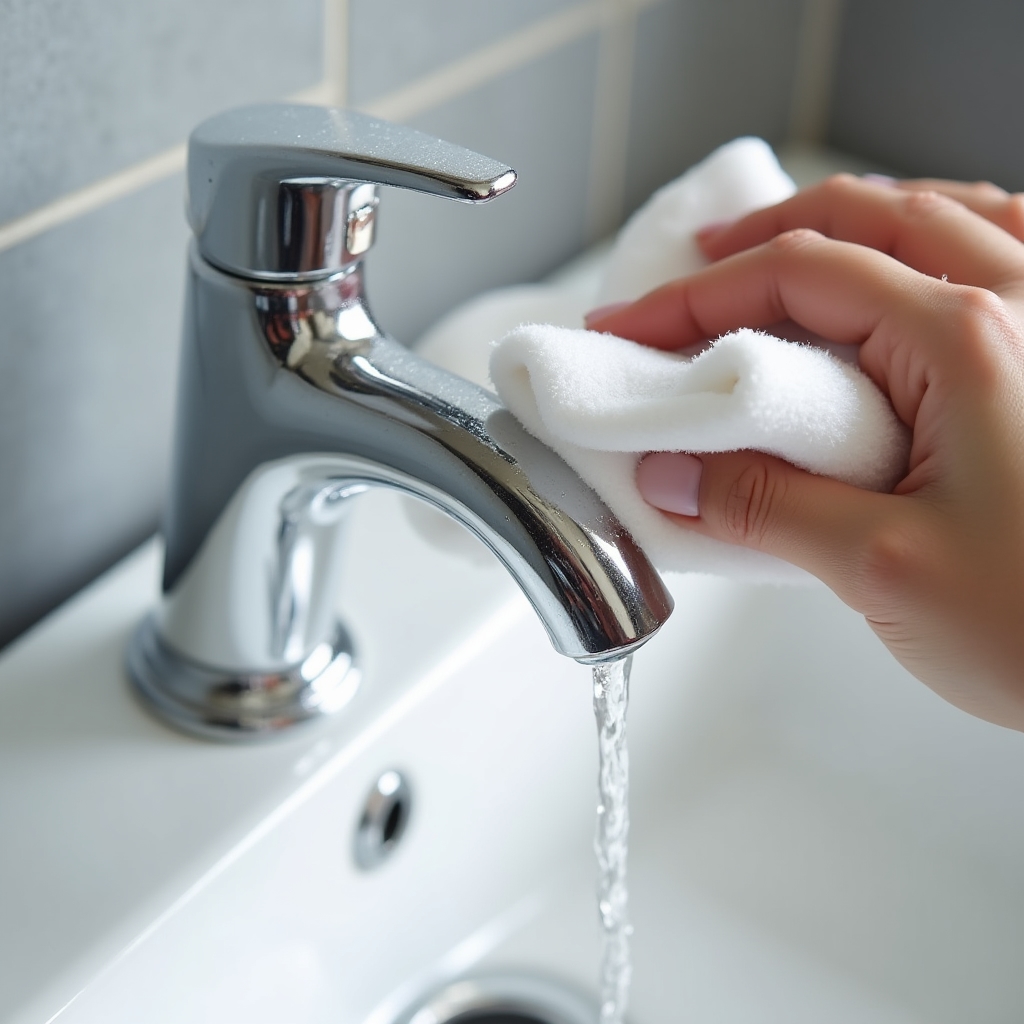
Soap scum on glass, mineral deposits around faucets, and grout discoloration are common in bathrooms that see regular use. These areas are addressed with attention to fixtures, tile grout, and the base of the shower or tub, along with mirrors and any glass surfaces that tend to show water spots between visits.
Living Areas & Carpets
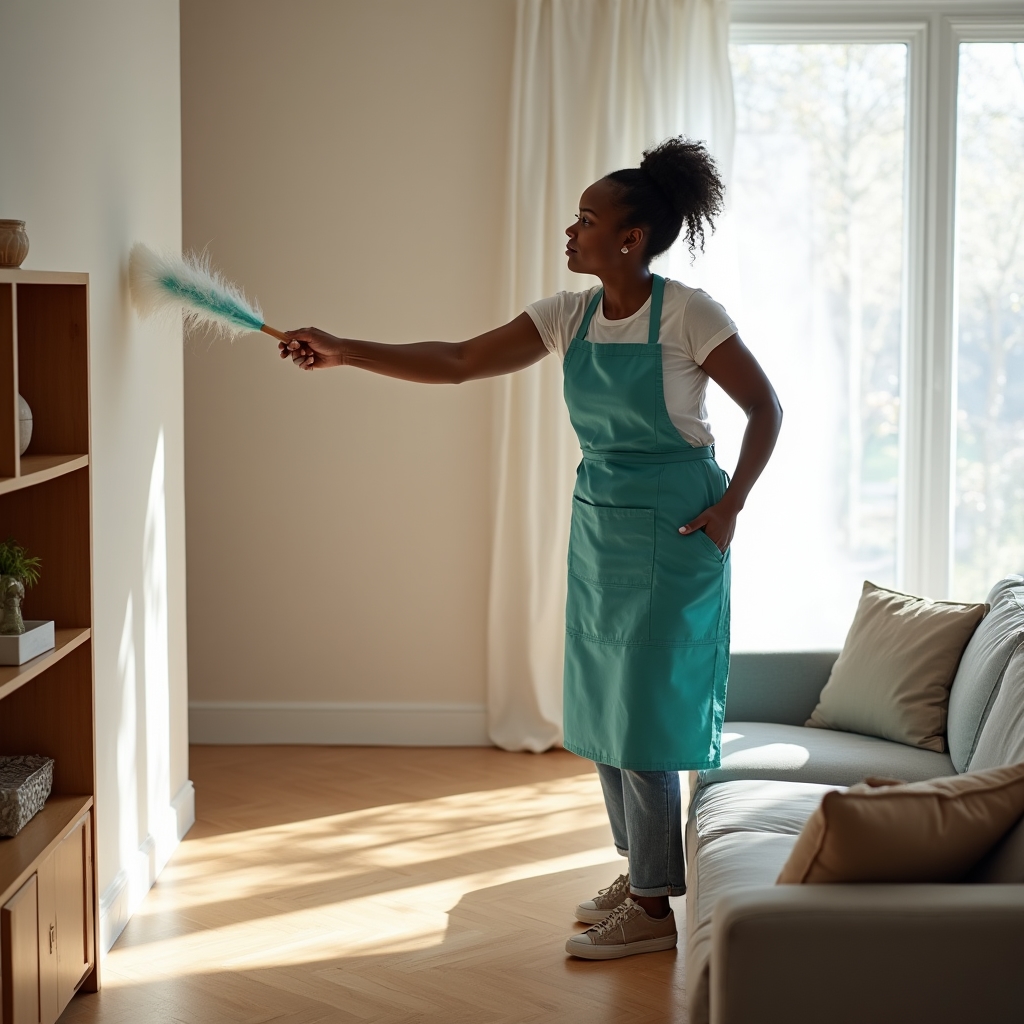
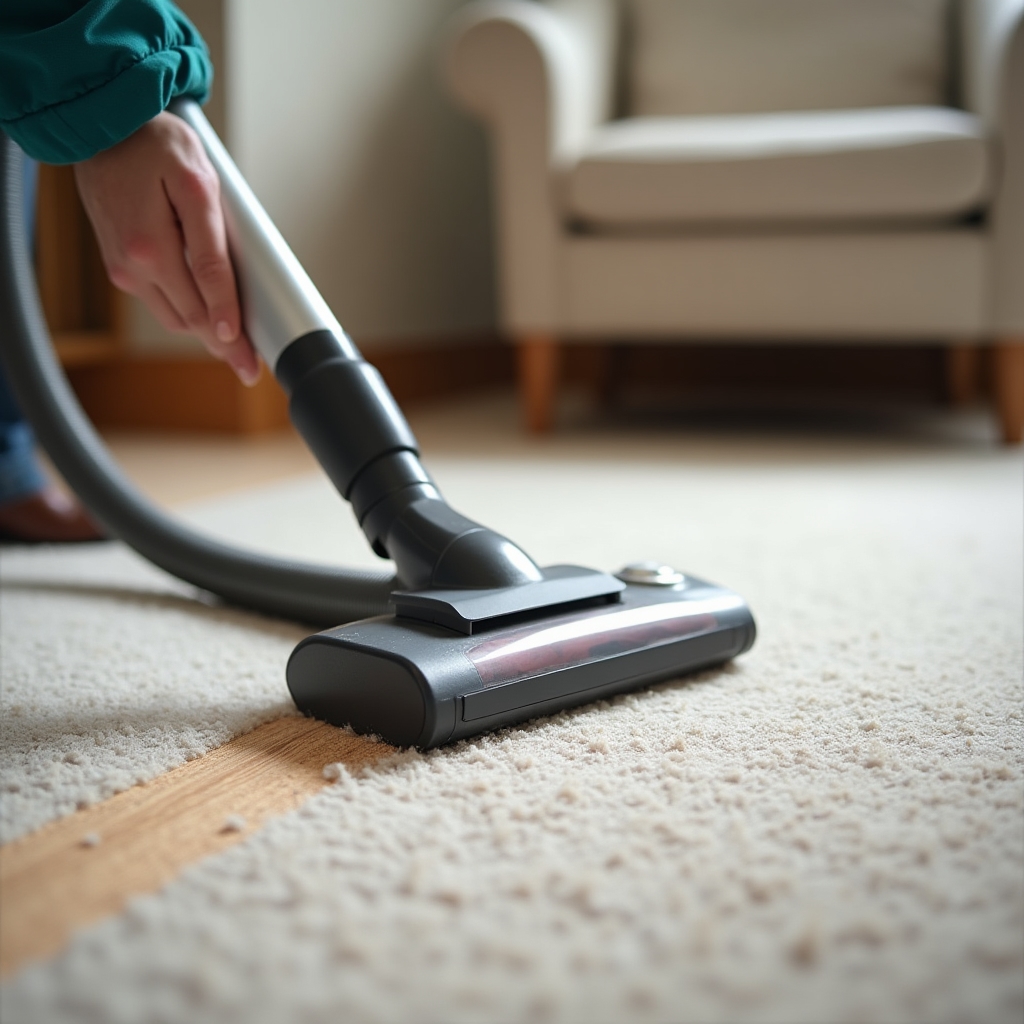
Living rooms and bedrooms tend to accumulate dust on surfaces that are easy to overlook, such as baseboards, blinds, and the tops of furniture. Carpeted areas benefit from thorough vacuuming, including edges and under furniture where dust and debris settle over time. Upholstered surfaces are addressed at a surface level as part of a standard visit.
Small Offices
Shared office spaces collect a different kind of buildup, mostly around high-touch surfaces like keyboards, shared tables, and door handles. A typical visit focuses on sanitizing these surfaces, tidying common areas, and maintaining floors and restrooms, all scheduled around business hours to minimize disruption.

Reading These Examples
Every space starts from a different condition, so these examples describe common focus areas rather than a fixed outcome. A recurring plan tends to keep spaces closer to a consistent baseline over time, while a one-time deep clean addresses whatever buildup has accumulated up to that point. Scope for any specific visit is confirmed in advance based on a walkthrough or a short conversation.